Let’s not sugarcoat it. Starting a business anywhere is risky. Canada’s no different. But here’s the thing, the right business opportunity Canada offers can change your financial trajectory fast. I’ve seen it happen. Regular people. No fancy MBAs. Just grit and a smart angle.
Canada’s economy is stable. Diverse. Immigration keeps growing the population. Cities are expanding, suburbs stretching out. More people means more demand. For services. For connectivity. For better tech. And when you step back and look at where money is consistently flowing, wireless services sit near the top.
You can open a restaurant and pray. Or you can tap into something people literally can’t live without. Phones aren’t optional anymore. Data isn’t a luxury. That’s where this gets interesting.

Why Wireless Is Quietly Dominating the Market
Every person you know carries a smartphone. Most carry two devices. Some have tablets, smartwatches, hotspots. We’re glued to connectivity. Businesses run on it. Families rely on it. Students need it.
The wireless industry in Canada keeps expanding. Urban markets are competitive, sure. But mid-size cities and growing communities? Huge potential. There’s space there. Especially for entrepreneurs who want to become a wireless dealer instead of building a brand from scratch.
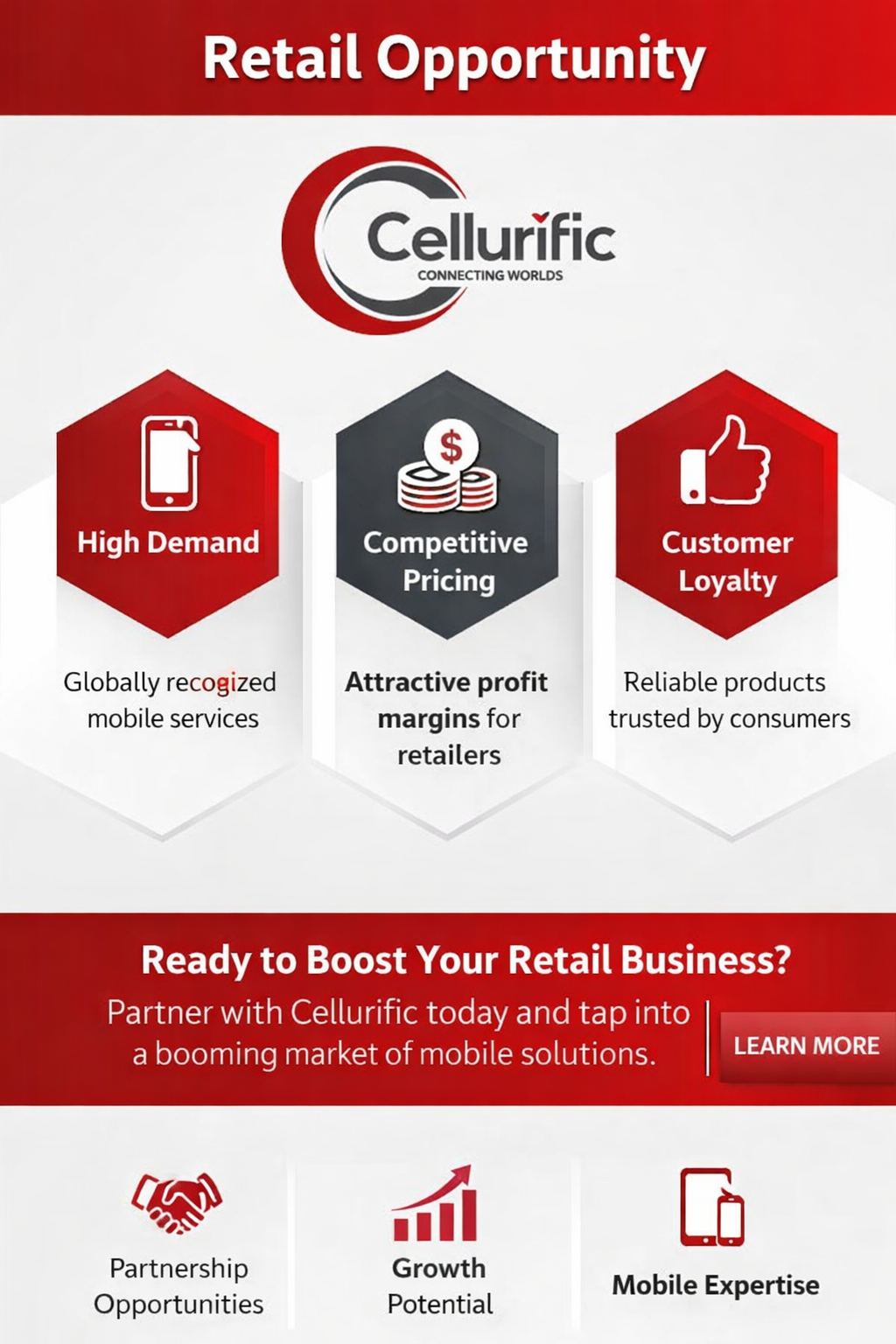
When you become a wireless dealer, you’re not inventing something new. You’re plugging into an existing demand stream. That’s powerful. You skip the awkward “convince people this matters” stage. They already know it matters.
And margins? Better than most people think. Add accessories, repairs, upgrades, insurance packages. It stacks up.
What Makes This a Strong Business Opportunity Canada Entrepreneurs Overlook
A lot of aspiring business owners chase trends. Crypto last year. AI tools this year. Some make money. Many burn out.
Wireless isn’t flashy. It’s steady. That’s the difference.
The best business opportunity Canada provides right now isn’t about hype. It’s about consistency. Recurring revenue. Repeat customers. Upgrade cycles every couple of years. People walking back into your store because their contract ended or they cracked their screen.
There’s something comforting about that rhythm. You’re not guessing what might sell. You know it will.
And if you align with a solid network provider or master dealer, you gain backend support, systems, training. That removes a lot of the early chaos that kills new businesses.
So You Want to Become a Wireless Dealer
Alright. Let’s get practical.
To become a wireless dealer, you typically partner with an established carrier or authorized distributor. You’ll need capital, obviously. Lease space. Inventory. Staff. But compared to building your own tech brand from scratch? It’s manageable.
Location matters more than décor. High foot traffic helps. Proximity to grocery stores, malls, service plazas. Think convenience. Think visibility.
Training your staff is critical. Wireless isn’t just selling phones. It’s plans, contracts, data tiers, device protection. People walk in confused. If your team can explain things in plain English, you win trust. Trust converts.
And don’t underestimate local marketing. Community events. Sponsoring a small hockey team. That stuff still works in Canada. Especially outside the major downtown cores.
Startup Costs and What to Expect Financially
Let’s talk money because dancing around it helps no one.
Initial investment can range widely. Smaller kiosks might start lower. Full retail locations cost more. Lease deposits, renovations, signage, point-of-sale systems. It adds up fast.
But compared to restaurants or manufacturing? The overhead is cleaner. No perishable inventory. No massive equipment. Your biggest asset is connectivity contracts and devices.
Revenue streams aren’t just device sales. Activation commissions. Monthly residuals depending on your agreement. Accessories have strong margins. Screen protectors alone can surprise you.
If structured right, this business opportunity Canada offers can generate predictable income. Not overnight riches. But solid, sustainable cash flow.
You do need working capital. The first few months can feel slow. That’s normal. Foot traffic builds. Word spreads. Renewals start kicking in later.
Patience. That’s part of the game.
Competition in the Canadian Wireless Market
Yes, there’s competition. Big names dominate advertising. Massive budgets. Billboards everywhere.
But here’s the part people miss. Large carriers still rely heavily on dealers. Authorized retailers. Independent operators. That’s where local presence lives.
Consumers often prefer walking into a neighborhood store instead of dealing with call centers. They want someone to look them in the eye and explain their bill.
That’s your edge.
If you become a wireless dealer in a growing suburb or underserved area, you’re not fighting downtown flagship stores. You’re serving your community. That changes the dynamic.
You’re not just another shop. You’re the phone guy. Or the phone gal. People remember that.
The Lifestyle Side of This Business
Let’s be honest about lifestyle. Retail isn’t fully passive. You’ll work weekends at first. Probably longer hours than you expect. Staffing issues happen. Shipments get delayed.
But it’s controllable chaos.
You’re not stuck in a cubicle. You’re interacting. Solving problems. Watching your numbers grow because of decisions you made. There’s a different kind of satisfaction there.
Over time, if you build properly, you can step back. Hire a manager. Open a second location. Scale.
I’ve seen entrepreneurs use this as a stepping stone. One store turns into three. Then into a regional network. It’s not a fantasy. It’s just execution over time.
And Canada, with its steady economic base and population growth, gives you a relatively stable platform to build on.

Risks You Shouldn’t Ignore
I’m not here to paint everything rosy.
Carrier policies can change. Commission structures shift. Market saturation can hit certain neighborhoods. Economic downturns affect consumer spending.
You mitigate that by choosing strong partners. Negotiating smart agreements. Watching trends. Staying adaptable.
Diversify within the store. Offer repairs. Accessories. Maybe small business account services. Don’t rely on one single revenue stream.
Also, customer service matters more than ever. Bad reviews travel fast. Good ones do too. Reputation can make or break your local store.
Still, compared to volatile online-only startups or trend-based businesses, this business opportunity Canada entrepreneurs are exploring feels grounded. Tangible. Real-world.
Scaling Beyond One Store
Here’s where it gets interesting.
Once you understand operations, scaling becomes a formula. Location analysis. Hiring systems. Training templates. Marketing frameworks. You refine them and repeat.
To become a wireless dealer at scale, you start thinking less like a salesperson and more like an operator. Systems matter. Inventory management matters. Data tracking matters.
You watch activation numbers weekly. You compare performance between locations. You identify what works and what doesn’t. Then you adjust.
Canada’s geography actually helps here. Expanding into nearby towns or provinces can create mini clusters. Shared marketing. Shared logistics. Reduced costs.
It’s not glamorous work. It’s steady growth work. And that’s where real wealth often hides.
Is This the Right Move for You?
Not everyone should jump into wireless. If you hate retail. If you avoid dealing with customers. If managing staff stresses you out beyond reason, maybe reconsider.
But if you’re looking for a business opportunity Canada supports with strong infrastructure, consistent demand, and real earning potential, this deserves serious thought.
When you become a wireless dealer, you step into an ecosystem that already exists. You don’t have to invent demand. You just have to capture it.
And in today’s connected world, that demand isn’t slowing down.
Sometimes the best opportunity isn’t flashy. It’s practical. Profitable. Sustainable.
That’s what makes this worth your attention.
Conclusion: A Practical Path to Building Something Solid
There’s a lot of noise out there about the “next big thing.” Most of it fades. What doesn’t fade is the need for communication. Data. Connectivity.
That’s why this business opportunity Canada entrepreneurs keep circling back to makes sense. It aligns with real human behavior. We upgrade. We break phones. We switch plans. We consume more data every year.
If you want to become a wireless dealer, you’re stepping into a proven lane. It takes work. It takes capital. It takes resilience. But it’s tangible. It’s understandable. And in business, clarity is powerful.
Build smart. Choose your location carefully. Focus on service. Think long term. That’s how you turn a single store into something meaningful. Not hype. Not luck. Just steady execution in a market that isn’t going anywhere.






Write a comment ...